⚖️ Dogma 2: Divine Intervention
When a divine loophole threatens to turn belief into a legal weapon, reluctant witnesses must challenge heaven, hell, and bureaucracy at once.
Public Pitch Treatment
Logline
A broken divine bureaucracy discovers that faith, loopholes, and institutional self-protection have become indistinguishable, forcing heaven and Earth into the same audit.
Set-Up
This sequel treats the spiritual universe as a legal-administrative machine that has not updated its procedures for the modern age. Belief has become content, outrage has become ritual, and institutions on every side have learned to profit from confusion. The story begins when an obscure heavenly rule triggers consequences no one in the chain of command is prepared to own.
Inciting Movement
A clerical error gives a mortal institution leverage over divine process, creating a loophole that could redefine who gets heard, judged, forgiven, or ignored. Messengers, skeptics, believers, and opportunists collide as the system tries to correct itself without admitting it was ever wrong. The comedy comes from sacred stakes filtered through broken procedures.
Act II / Story Engine
The engine is escalation through argument: theological, legal, personal, and absurd. Characters are forced to confront not only what they believe, but what their beliefs have been used to excuse. The satire works best when every faction is partly right and dangerously self-serving. The emotional center is accountability: not punishment, but the courage to admit harm and change course.
Finale Promise
The climax turns the divine loophole into a public reckoning. The characters must decide whether to preserve a flawed order because it is familiar or risk reforming it without knowing what replaces it. The ending should be irreverent but not empty, comic but not disposable. The point is not to mock faith; it is to attack corruption, complacency, and weaponized certainty.
Character & Stakes
The treatment page is intentionally written around character pressure, not just franchise recognition. The concept has to prove that the returning world can support a new emotional problem: a person or group under stress, a choice that cannot be solved by nostalgia, and a consequence that changes the meaning of the continuation. That is the difference between a sequel idea and a pitchable story branch.
Tone / Market Lane
Sharp, profane-adjacent, debate-heavy, and satirical, with strong rights and sensitivity handling required before any professional-facing use. The public page is designed as a professional summary rather than a rights claim: enough story architecture to show craft, restraint, and market understanding, while keeping full screenplay material controlled for request-only review.
Professional Use
For an agent, manager, producer, or development reader, this treatment functions as a fast-read proof of concept. It clarifies the hook, the story engine, the tonal lane, and the controlled adaptation boundary before anyone needs to review script pages. The intent is to show discipline: a concise premise, a clear act movement, a professional rights posture, and enough visual identity to make the project feel organized rather than improvised.
Page Strategy
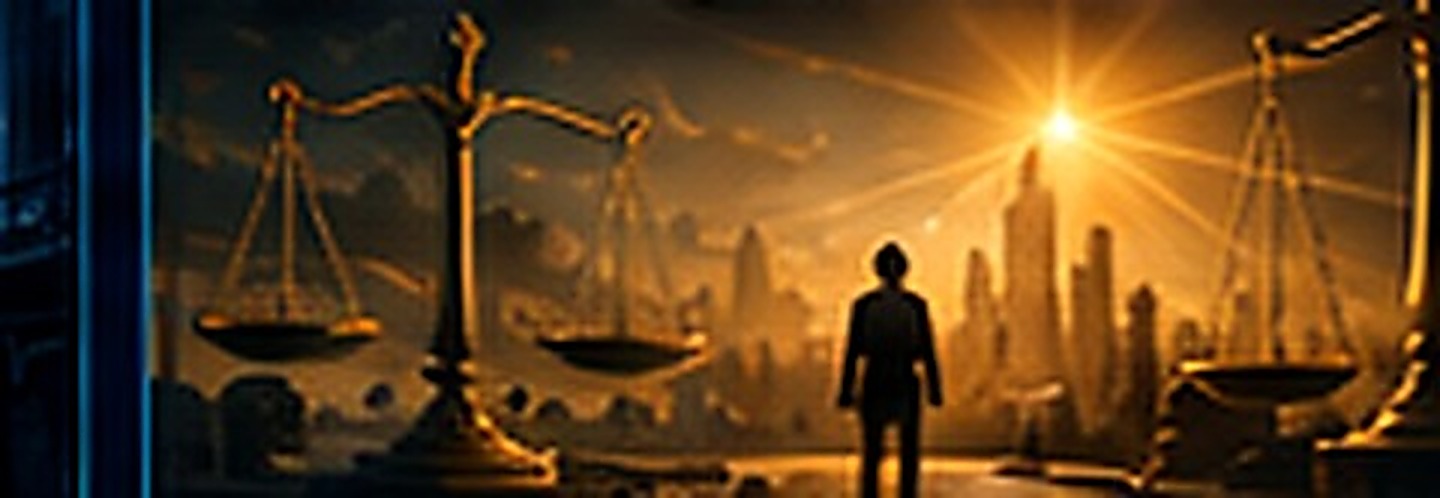
The page should sell confidence quickly: one strong image, one clean logline, one readable treatment, and links to deeper controlled material. It should feel like a prepared development packet, not a fan archive. The goal is quick confidence: the reader should understand the world, conflict, audience lane, and professional boundary before clicking deeper.
Rights Boundary
This is an unofficial writing sample and franchise-sensitive development exercise requiring rights-holder authorization before any franchise use. It is presented for portfolio organization, discussion, and controlled professional review only. No ownership, authorization, affiliation, endorsement, transfer, or sale of underlying third-party franchise IP is claimed or implied, and full script material should be circulated only under appropriate professional conditions.