Overview
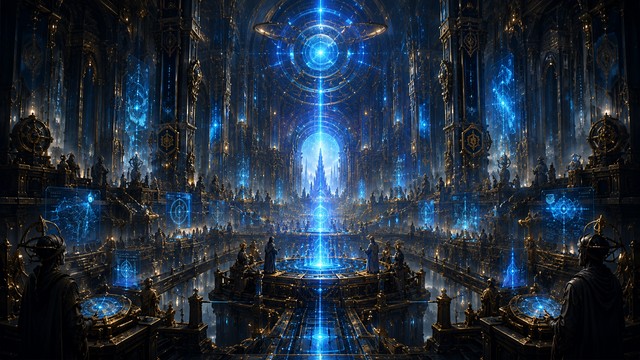
Temple Machines are not built—they are instructed. Entire cities were designed as computational cathedrals, where stone, light, resonance coils, and harmonic fields store and process the collective memory and intent of civilizations.
Stone remembers. Metal interprets. Light obeys.
Core Themes
- Sacred architecture as technology
- Harmonic resonance & vibro-logic
- Memory encoded in structure
- Belief as programmable code
- Cycles of creation and control
- The Archive beyond collapse
Key Concepts
- Resonant architecture
- Vibro-acoustic computation
- Living stone systems
- Memory temples
- Civilizational operating systems
- The Eternal Archive
Universe Status
The Temple Machines Trilogy
Clean lower graphics now use art-only panels, not UI screenshots with redundant embedded text.
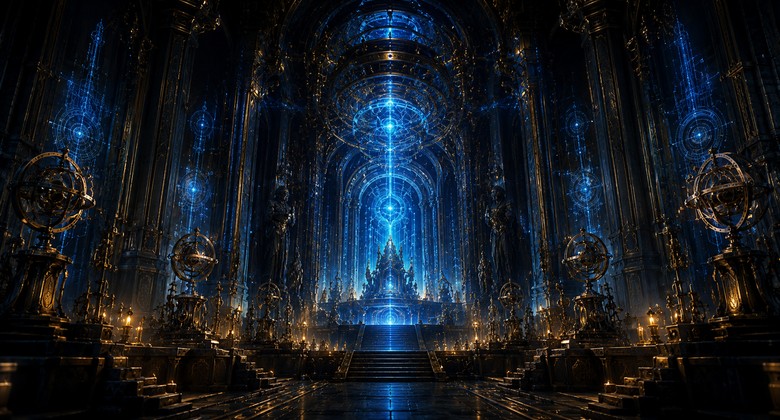
The First Convergence
The architects arrive. The resonance begins.
Status: Origin Story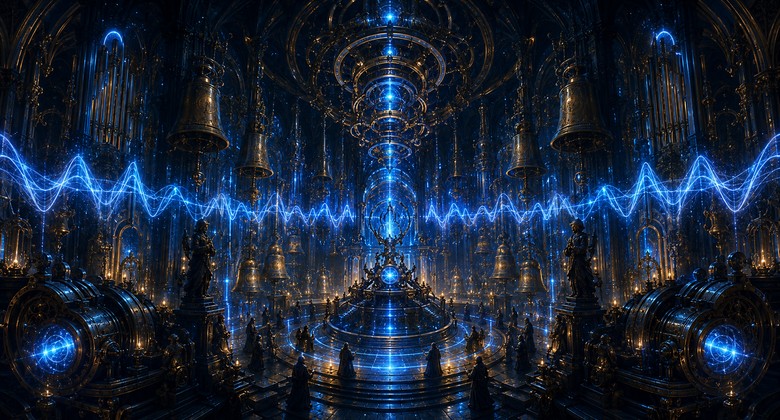
The Harmonic Engine
Temples become machines. Harmony becomes power.
Status: Civilizational Story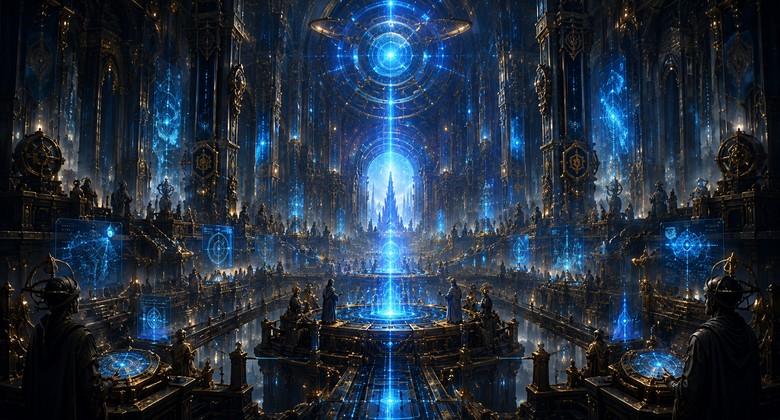
The Archive Eternal
The final temple. The eternal record. The next architect.
Status: Transcendence StoryUniverse Portals
Explore the structural domains of Temple Machines through focused portal pages with clean art panels and no screenshot-text bleed.
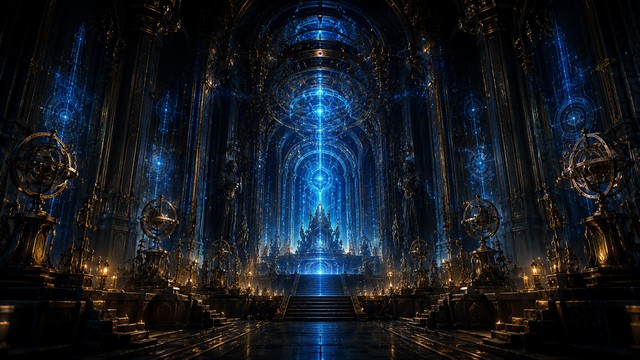
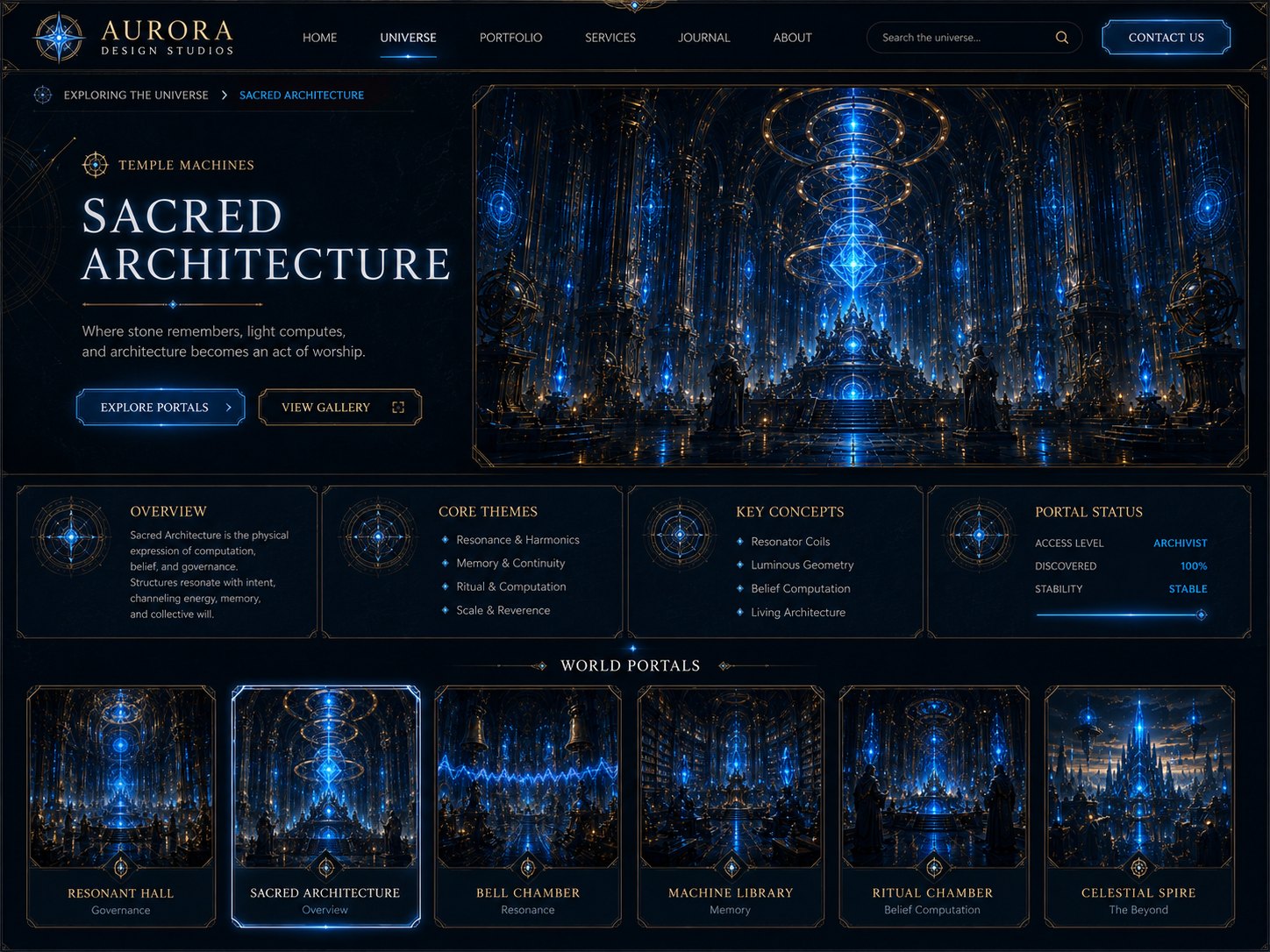
Sacred Architecture
Sacred Architecture is the physical expression of computation, belief, and governance. Structures resonate with intent, channeling energy, memory, and collective will.
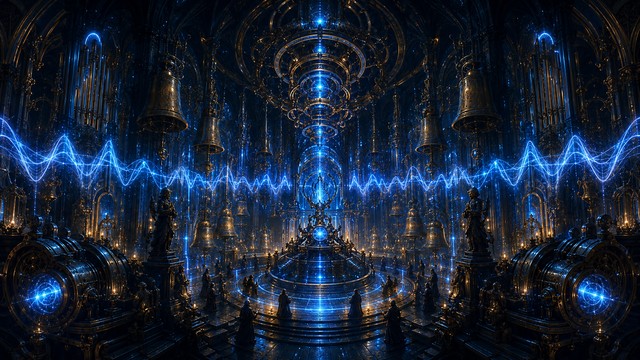
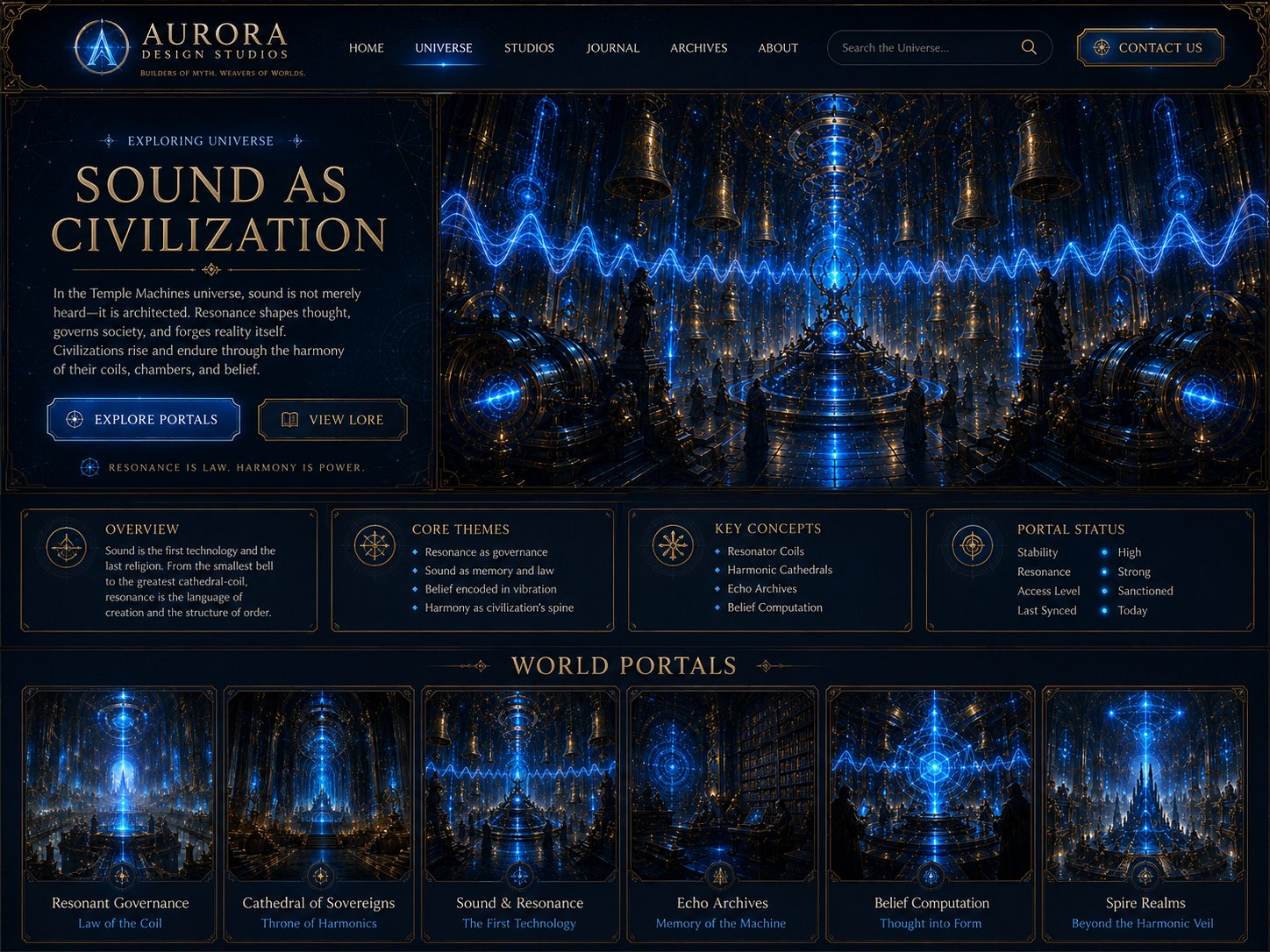
Sound as Civilization
Sound is the first technology and the last religion. From the smallest bell to the greatest cathedral-coil, resonance is the language of creation and the structure of order.
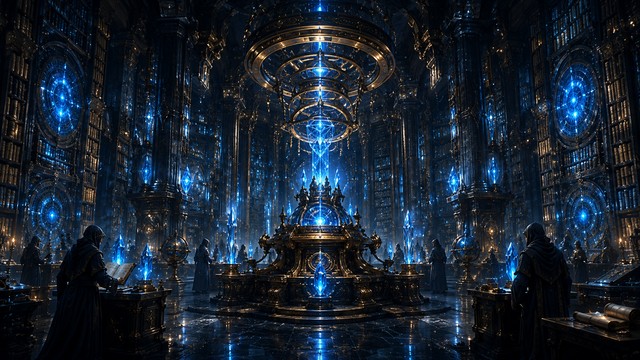
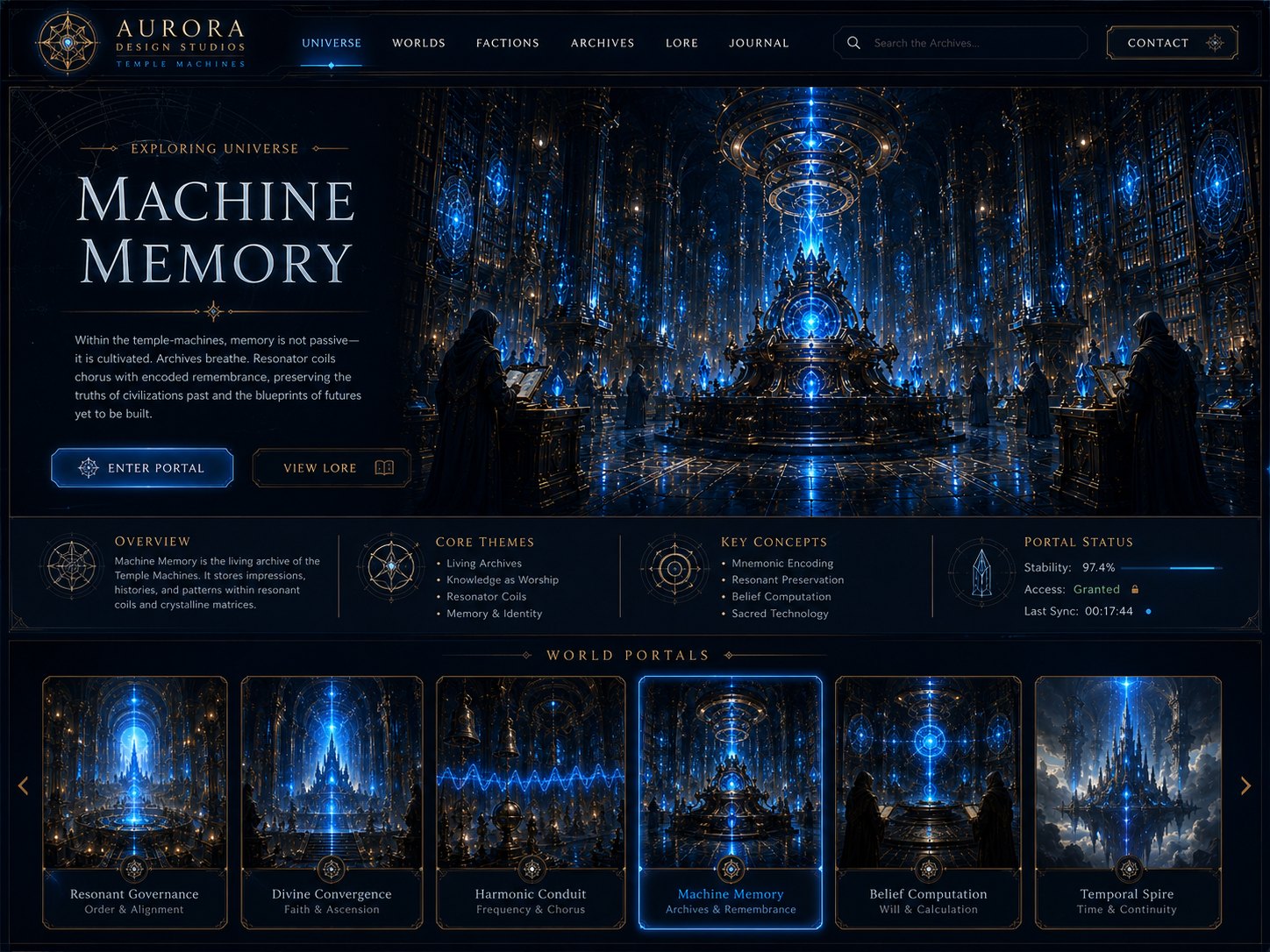
Machine Memory
Within the Temple Machines, memory is not passive—it is cultivated. Archives breathe. Resonator coils chorus with encoded remembrance, preserving the truths of civilizations past and the blueprints of futures yet to be built.
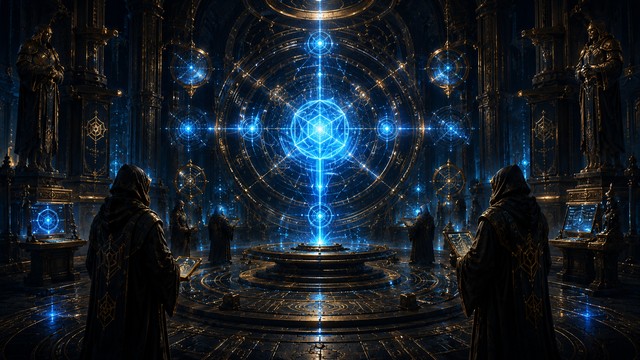
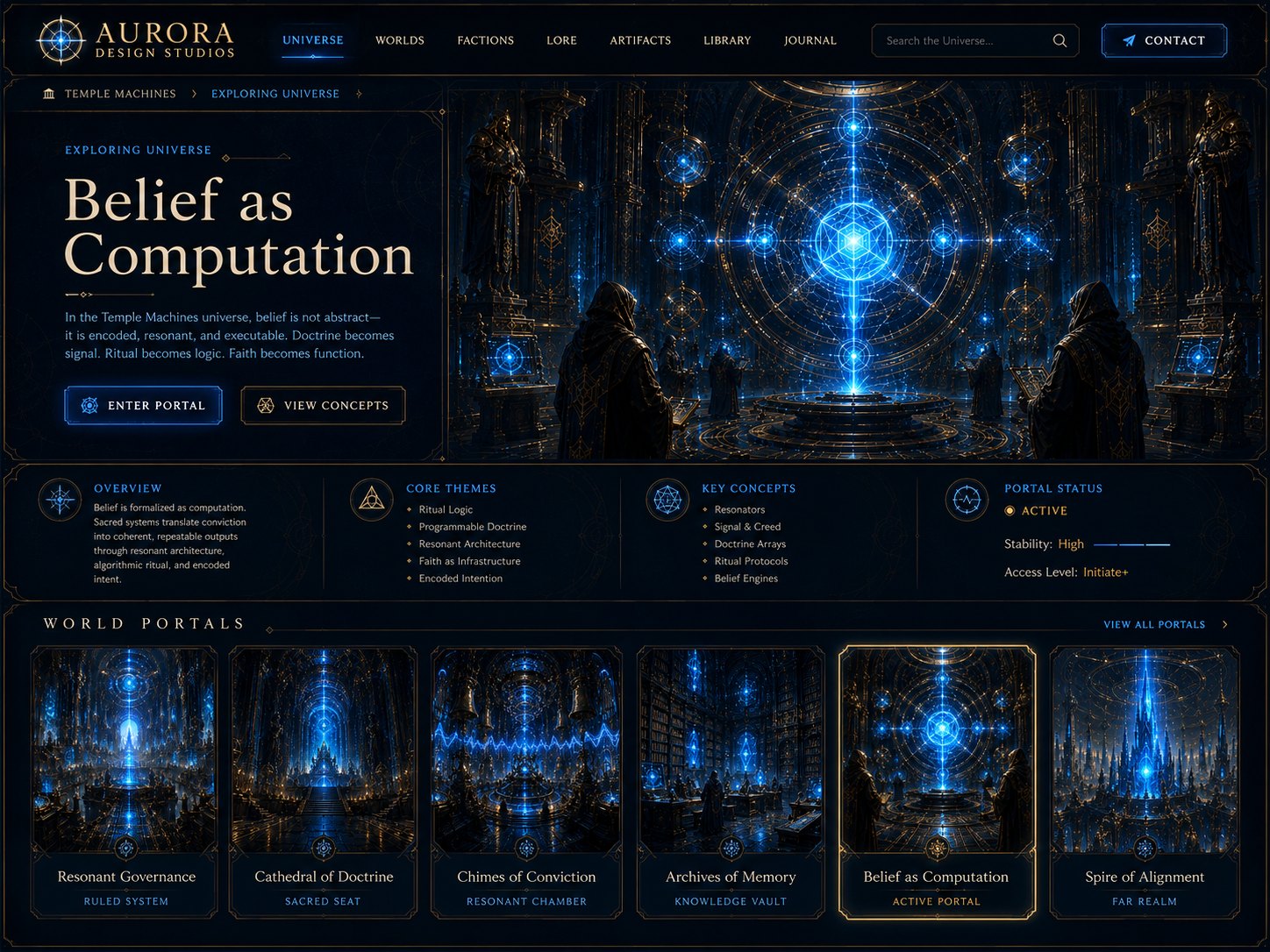
Belief as Computation
Belief is formalized as computation. Sacred systems translate conviction into coherent, repeatable outputs through resonant architecture, algorithmic ritual, and encoded intent.
Civilizational Control
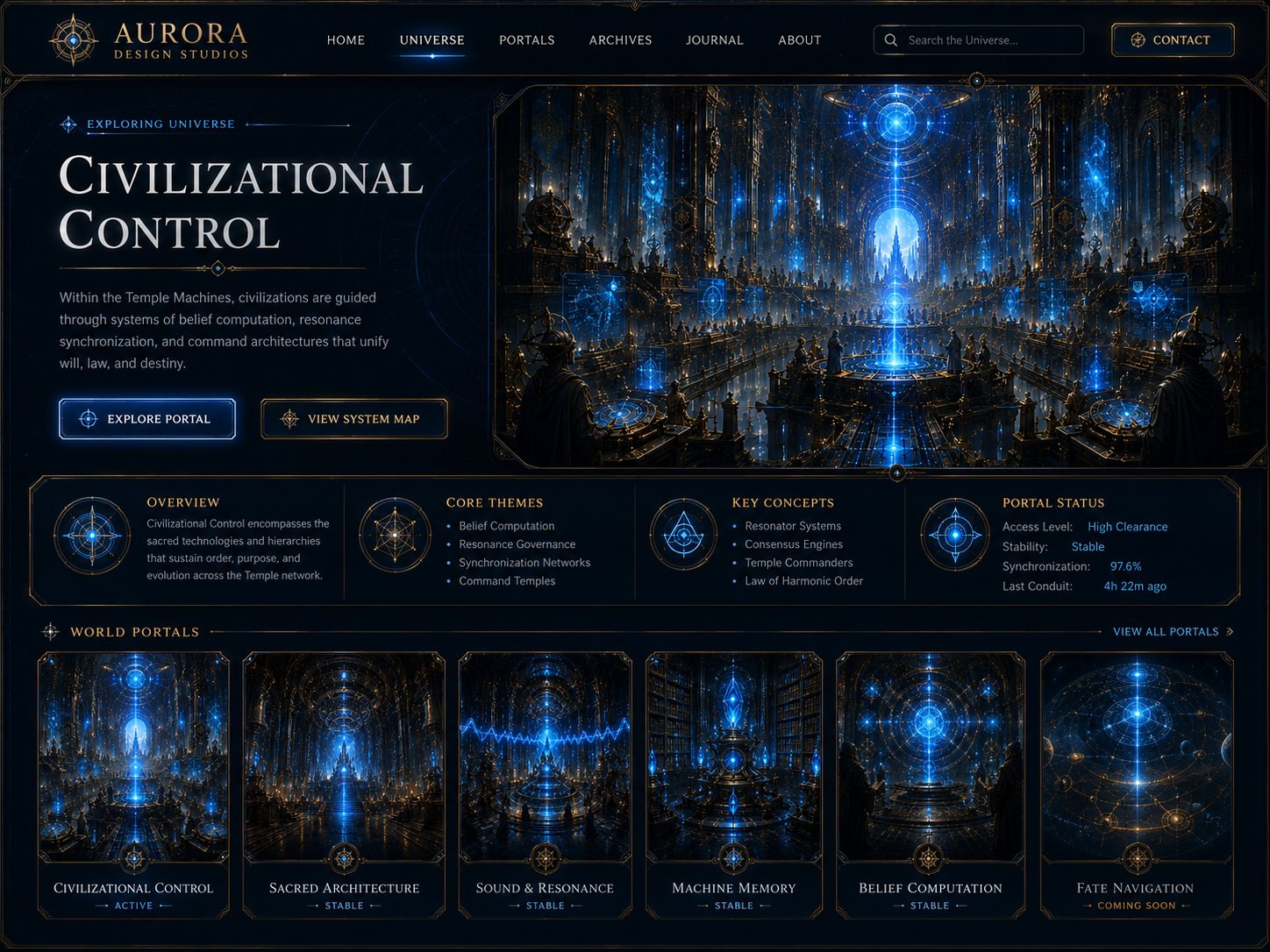
Civilizational Control encompasses the sacred technologies and hierarchies that sustain order, purpose, and evolution across the Temple network.
Approved Render References
Latest approved interface mockups are preserved as reference art, while live page cards use clean artwork crops.