Crystal Cities of Resonance
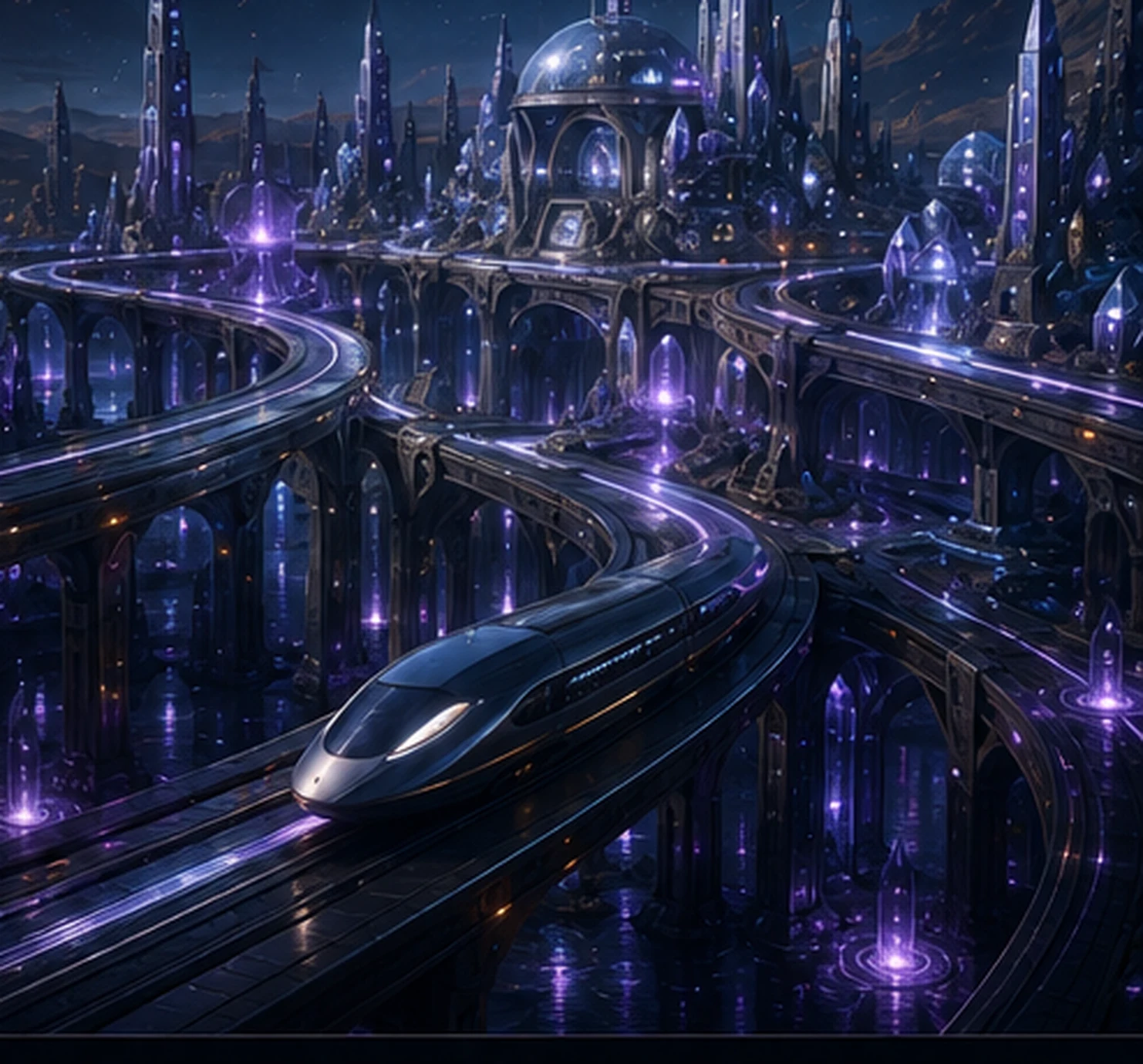
Crylar’s cities combine grown crystalline systems with metal and composite structure wherever fatigue, seismic resilience, transit loads, thermal cycling, or serviceability demand it. Under roughly three Earth gravities, civic engineering favors broad load paths, short structural spans, distributed redundancy, and dense multimodal mobility.
City Logic
These are mature high-gravity metropolises built for billions of daily movements, constant maintenance, and resilience under a punishing stellar and planetary environment.
Structural Language
- Crystalline load-sharing skins
- Metal/composite frames
- Short-span 3g architecture
- Replaceable service corridors
Mobility
- High-speed rail and local transit
- Portal links where appropriate
- Aircraft and spacecraft terminals
- Conventional alternatives for redundancy
Visual Canon
World: Crylar
Gravity: ~3g
Look: Advanced mixed-material crystalline civilization
Phase: Active development
The city is read as an engineered system rather than a collection of decorative towers. Transit, structural support, power distribution, civic services, and public space are layered into the same dense urban fabric.
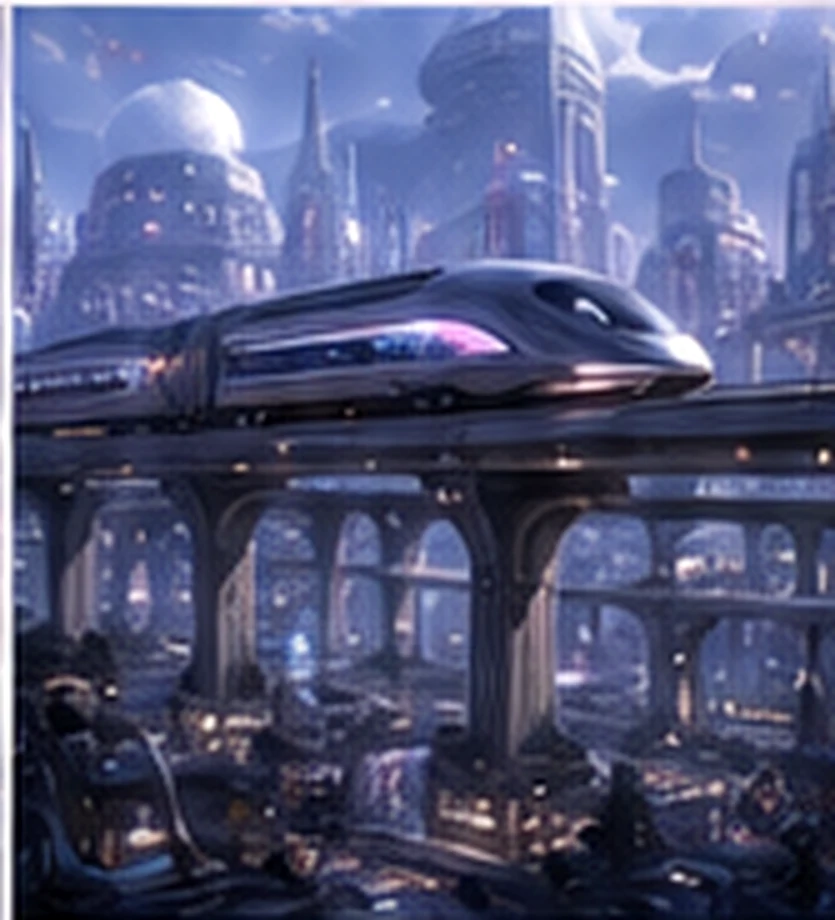
Transit as Structural Spine
Primary mobility corridors double as heavily braced civic infrastructure, distributing people and loads through short, redundant spans suited to high gravity.
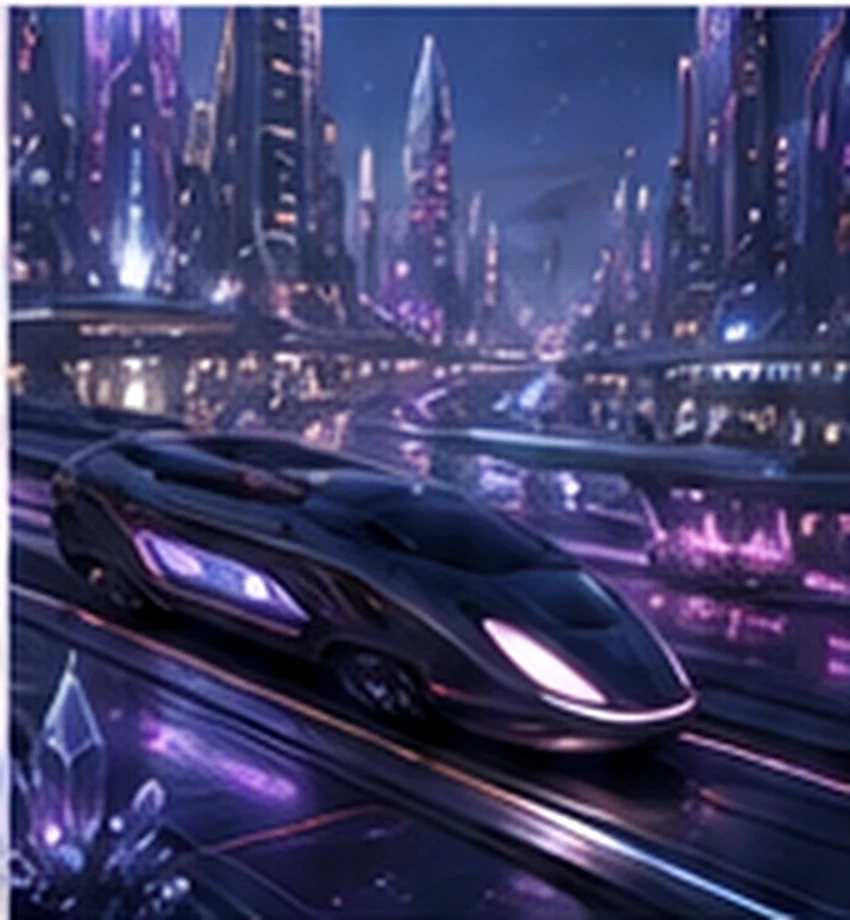
Local Mobility
Fast point-to-point urban vehicles complement rail and pedestrian systems rather than replacing them.
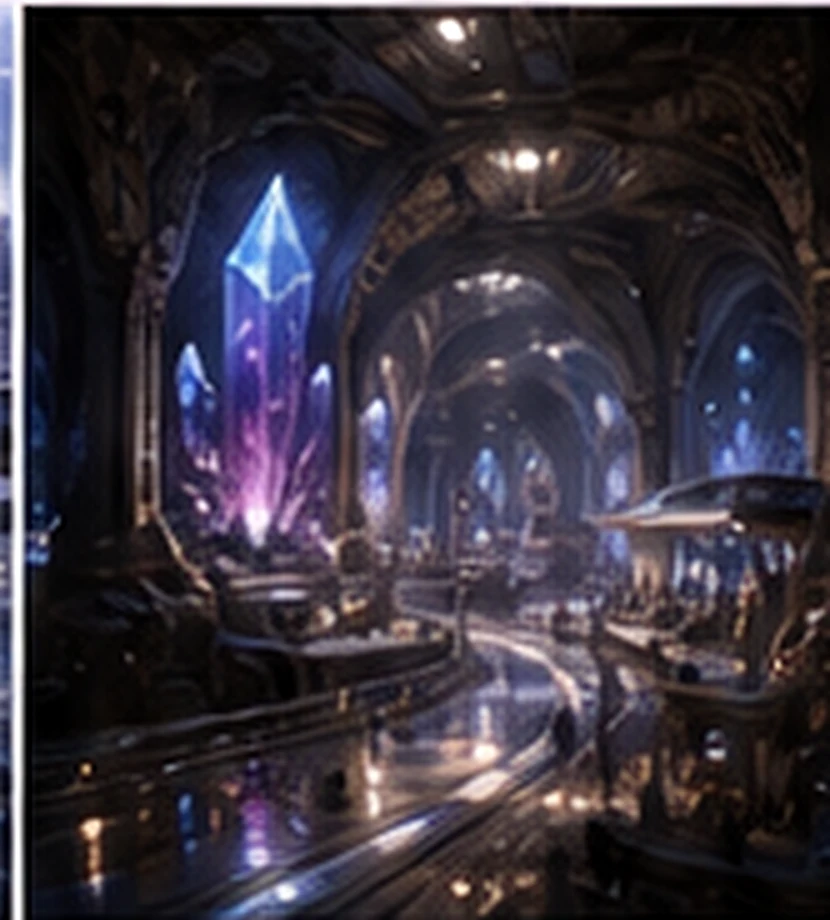
Civic Interchanges
Stations are public institutions: movement, information, services, and emergency routing meet in one resilient hub.
Crystallian transport remains deliberately multimodal. Portals may dominate some routes, but aircraft, spacecraft, rail, and local systems remain in service because preference, economics, maintenance states, emergency conditions, and redundancy all matter.
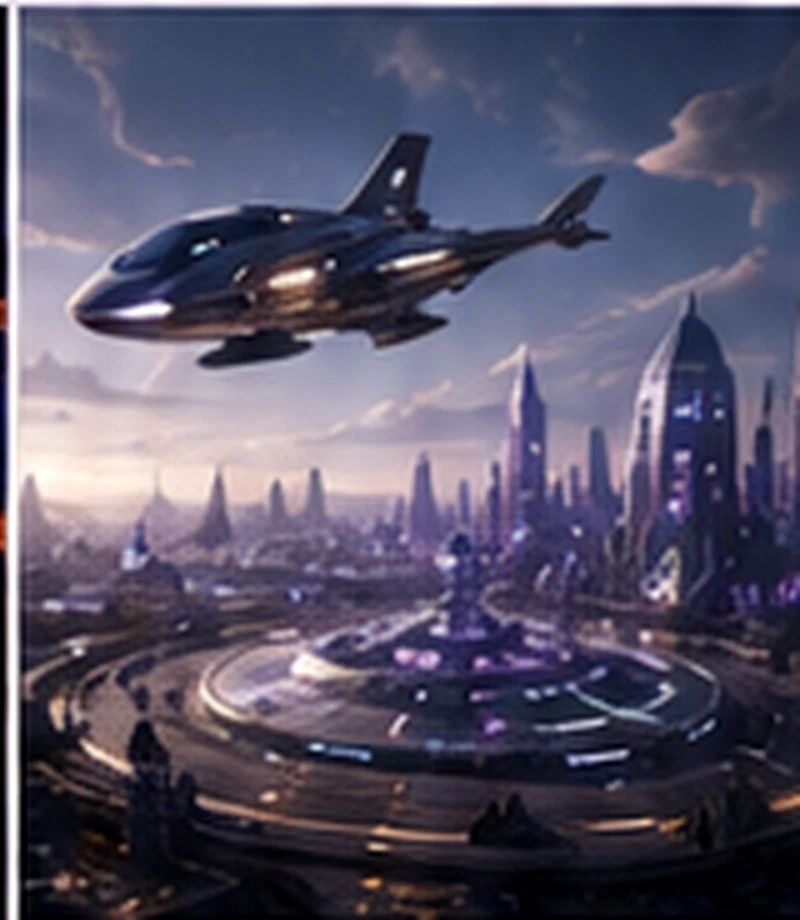
Integrated Flight Districts
Air and space terminals connect directly to urban transit rings, reducing transfer loads and avoiding single-point dependency on portals.
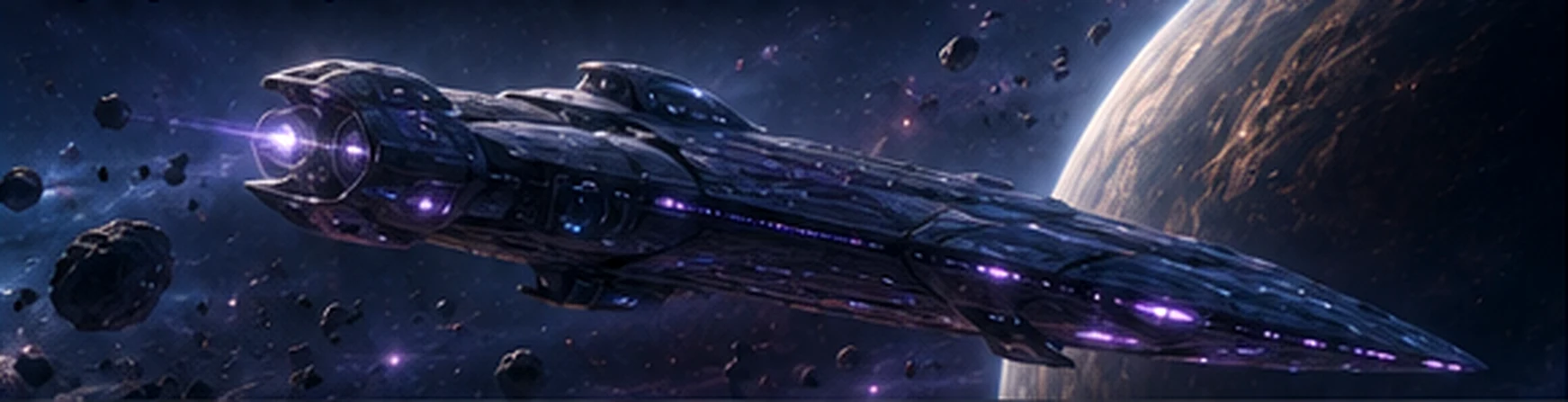
Spacecraft Remain Essential
Off-world logistics, exploration, bulk cargo, specialized missions, and routes beyond portal coverage preserve a strong spacecraft culture.
No Single Mobility Monoculture
Trains, portals, aircraft, spacecraft, local vehicles, and conventional fallback modes coexist by design.
At roughly 3g, familiar Earth architectural intuition stops being enough. Form follows load path, fatigue control, repair access, and the need to keep enormous urban systems operating continuously.
What 3g Changes
- Broad bases and lower centers of mass become common.
- Long unsupported spans become expensive and structurally aggressive.
- Transit structures carry far higher static and dynamic loads.
- Elevators, ramps, emergency routes, and public spaces are designed around greater bodily effort.
- Maintenance access is engineered in from the beginning rather than hidden behind decorative shells.
Mixed Materials Are Canon
Crystalline systems do not replace every other material. They are used where their optical, computational, thermal, piezoelectric, structural, or resonant properties earn the role. Metals, ceramics, composites, refractory materials, and serviceable mechanical assemblies remain part of the civilization’s engineering vocabulary.
That mixture makes the cities feel technological and buildable inside the setting instead of reading as medieval structures enlarged and covered with crystals.
Continue into adjacent world systems after reviewing the city direction.